


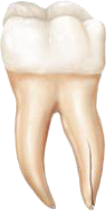
 Vertical root fractures are cracks that begin in the root of the tooth and extend toward the chewing surface. They often show minimal signs and symptoms and may therefore go unnoticed for some time. Vertical root fractures are often discovered when the surrounding bone and gum become infected. Treatment may involve extraction of the tooth. However, endodontic surgery is sometimes appropriate if a portion of the tooth can be saved by removal of the fractured root.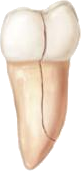
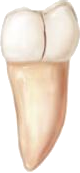
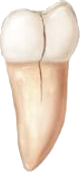 This crack extends from the chewing surface of the tooth vertically towards the root. A cracked tooth is not completely separated into two distinct segments. Because of the position of the crack, damage to the pulp is common. Root canal treatment is frequently needed to treat the injured pulp.
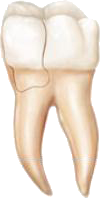 When a cusp (the pointed part of the chewing surface) becomes weakened, a fracture sometimes results. The weakened cusp may break off by itself or may have to be removed by the dentist. When this happens, the pain will usually be relieved. A fractured cusp rarely damages the pulp, so root canal treatment is seldom needed. Your tooth will usually be restored with a full crown by your dentist.


Thanks to the remarkable advances in dentistry techniques, patients, helped by their dentists, have to keep their teeth longer. But at the same time, this increase in life expectancy, coupled with a more stressful lifestyle, also exposes their teeth to an increased risk of cracks. These cracks can be induced by para-functions such as bruxism (action of tightening teeth or grinding teeth), and chewing hard foods.
What can I do to prevent my teeth from cracking ?
After treatment for a cracked tooth, will my tooth completely heal ?
Vertical Root Fracture
Split Tooth
Cracked Tooth
Fractured Cusp
Craze Lines
How will my cracked tooth be treated ?
Why does a cracked tooth hurt ?
How do I know if my tooth is cracked ?